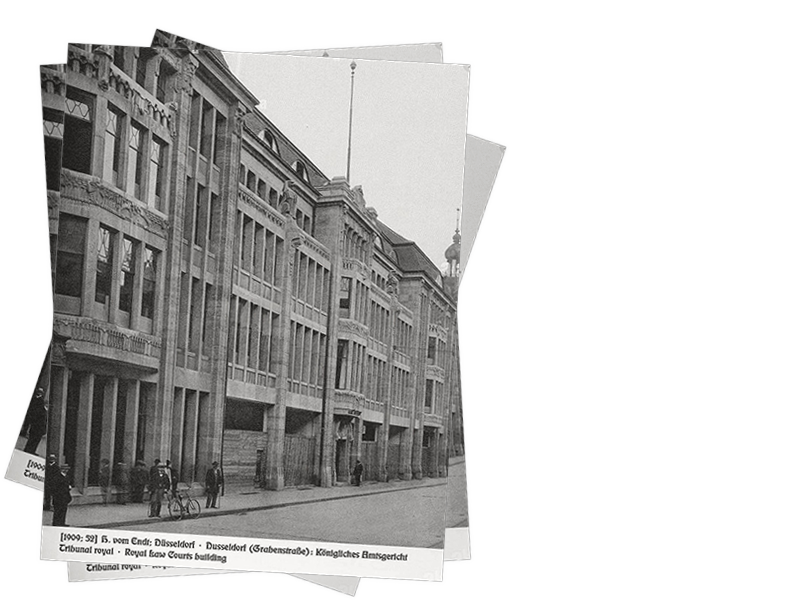
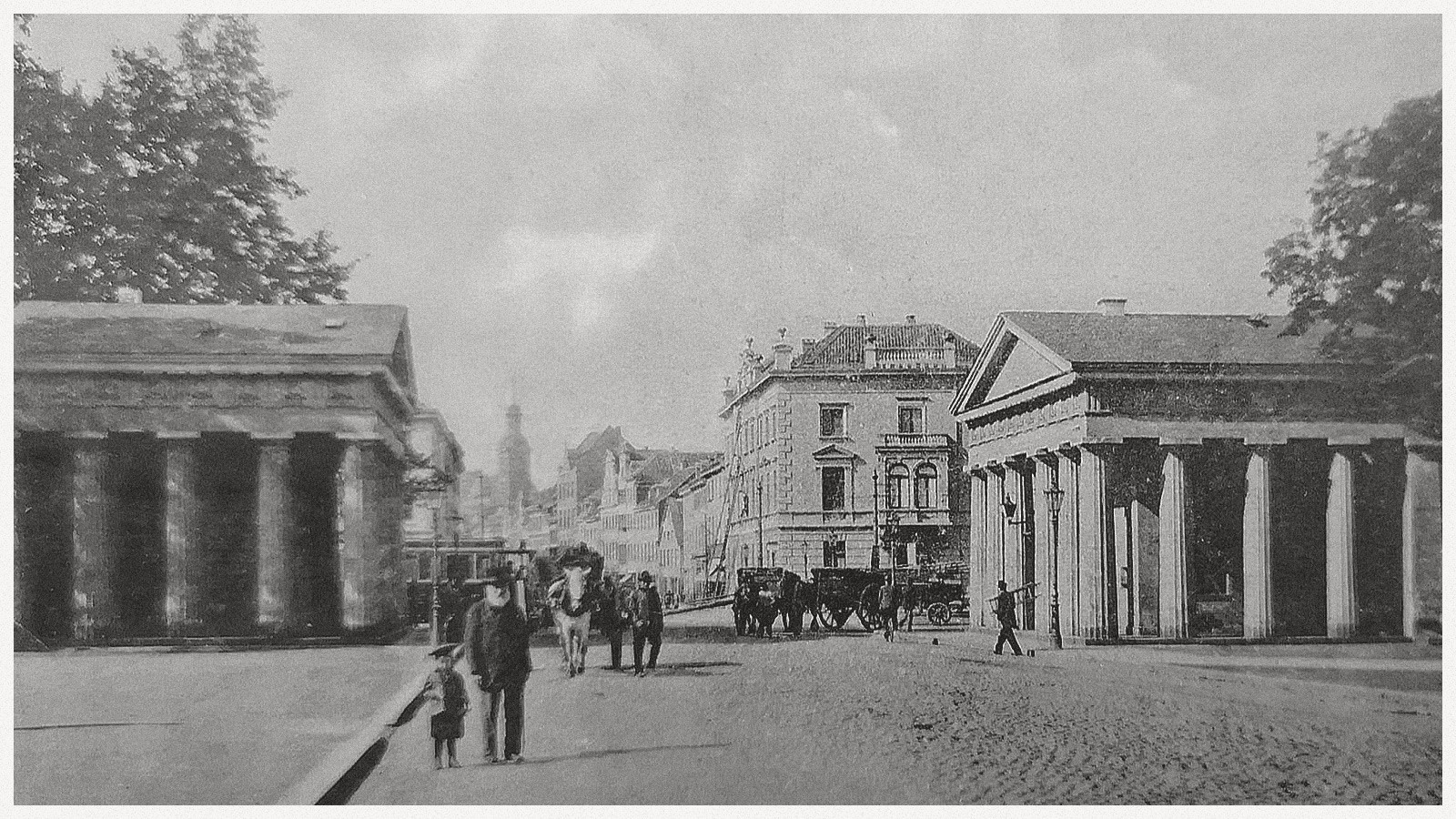
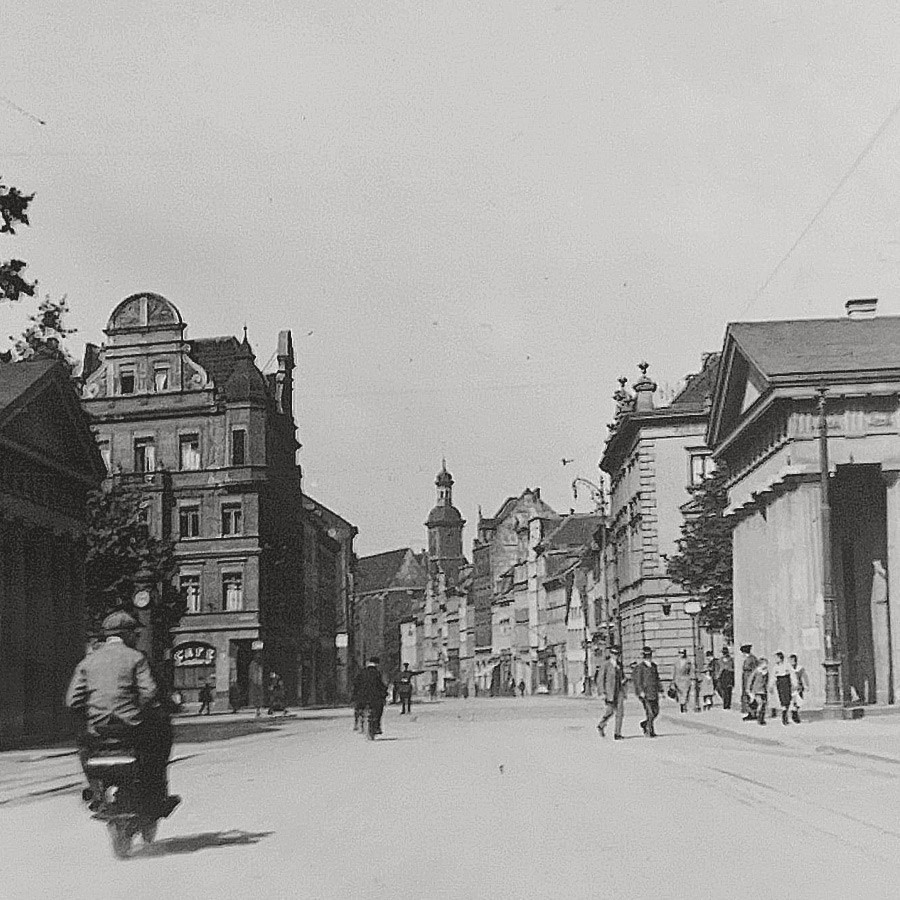
Düsseldorf District Court can look back on a long and eventful history. Its origins date back to 1811, when the Düsseldorf Justice of the Peace Court was established as a court of first instance as part of the reorganization of the court system in the Grand Duchy of Berg.
In 1820, this court was subordinated to the newly created district court of Düsseldorf, which in turn emerged from the district court that had been established after the Prussian takeover of the Bergisch courts in 1814.
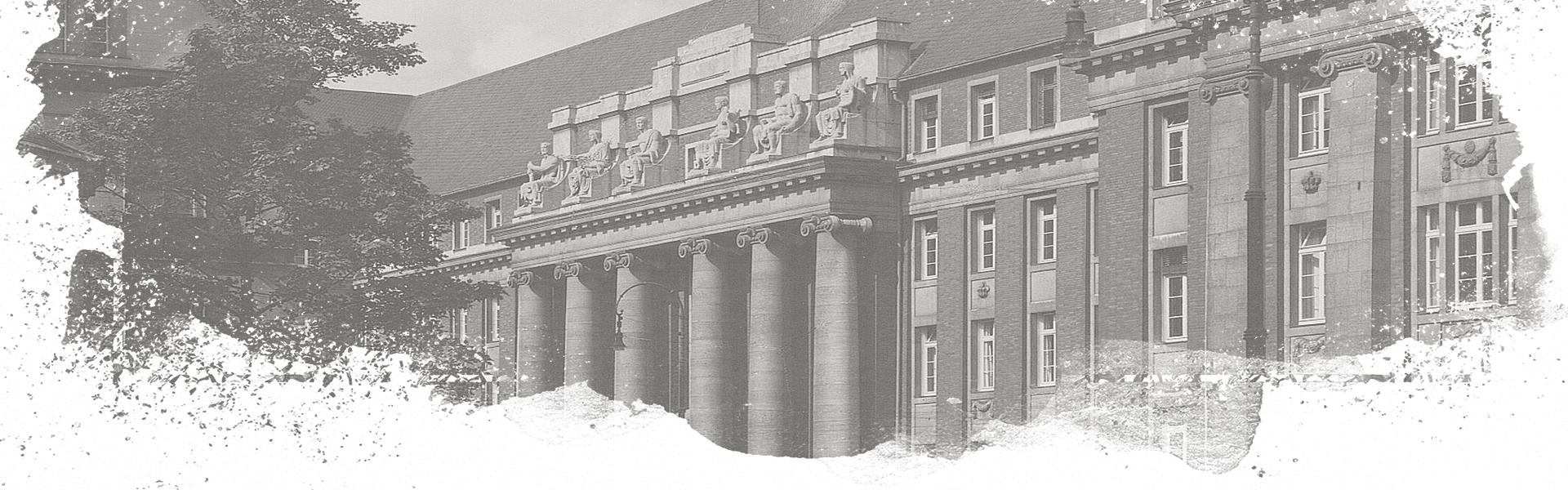
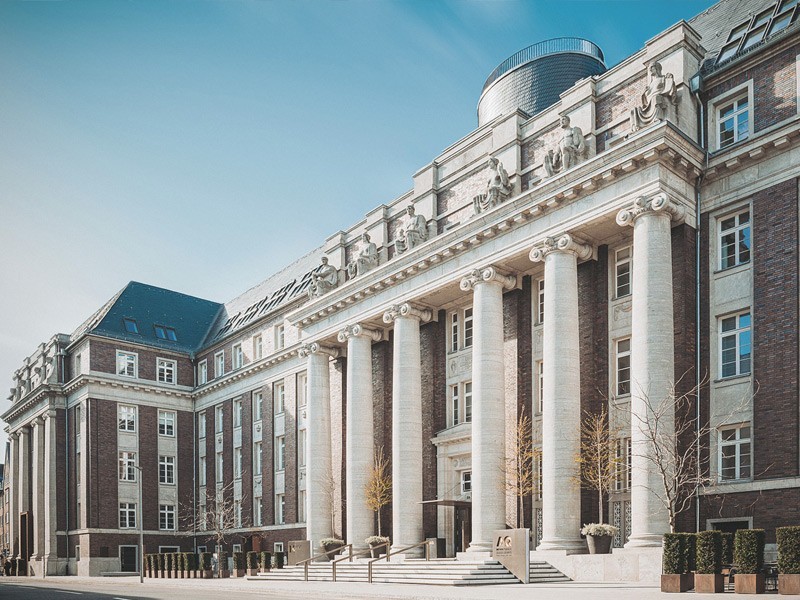
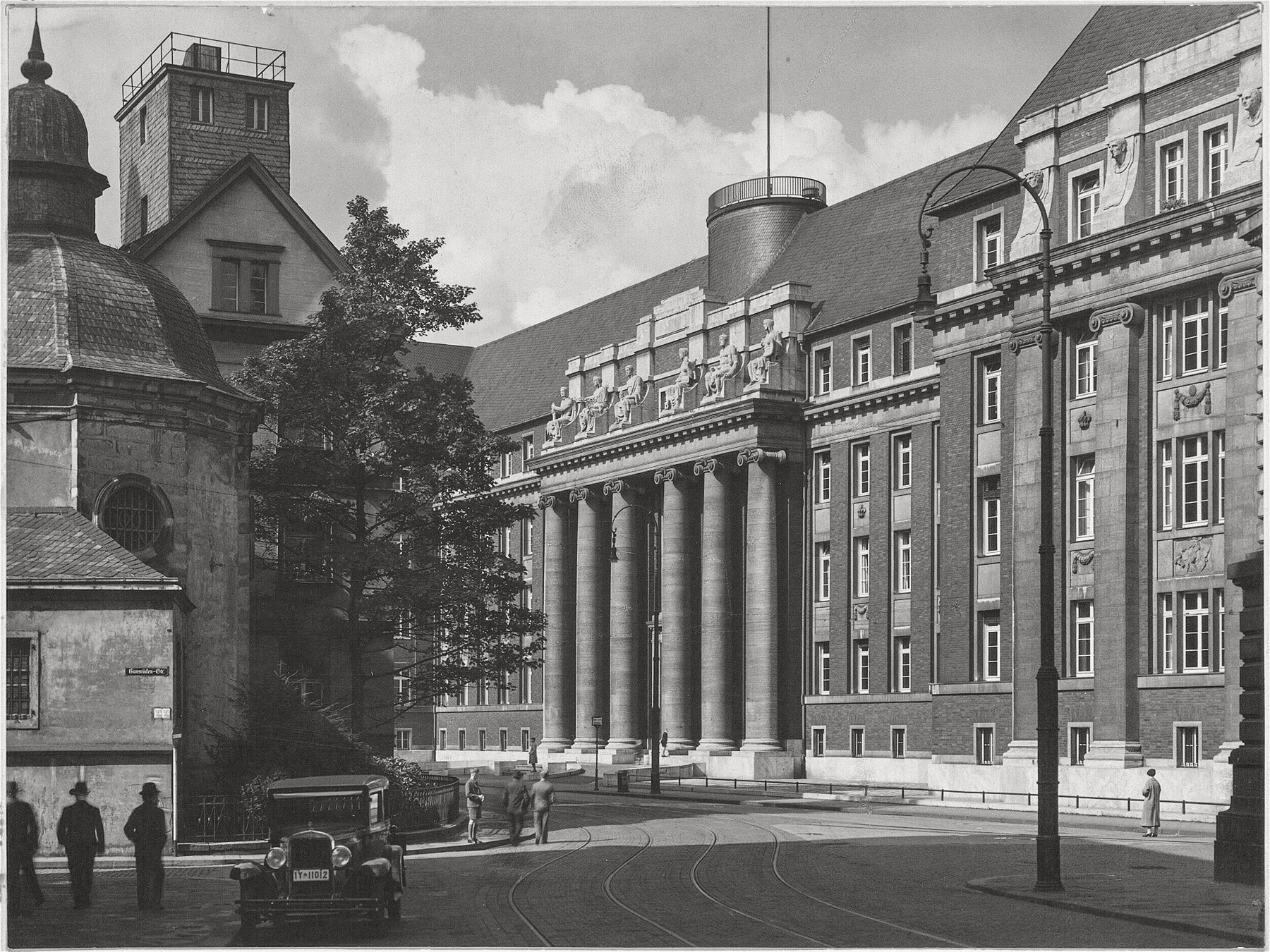
In 1913, construction began on the new justice building on Mühlenstraße in the center of Düsseldorf. The construction work was based on designs by architect Felix Dechant and lasted until 1923 due to the First World War and the post-war period.
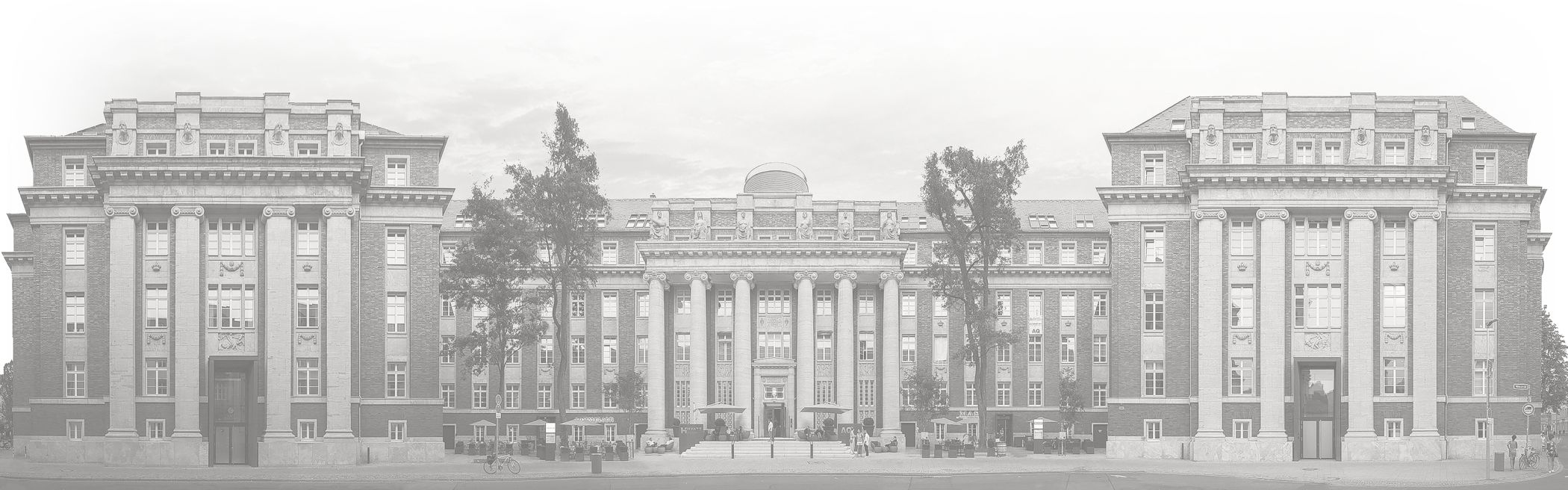
The imposing façade of the building, which is characteristic of Wilhelminian architecture, still characterizes the appearance of Mühlenstraße today.
The district court was built in two phases. The façade of the building is clad in shell limestone and the roof is covered with brown-red plain tiles.
The figurative and ornamental sculptures on the façade were created by Albert Pehle and H. Stader, giving the building a unique and artistic character.
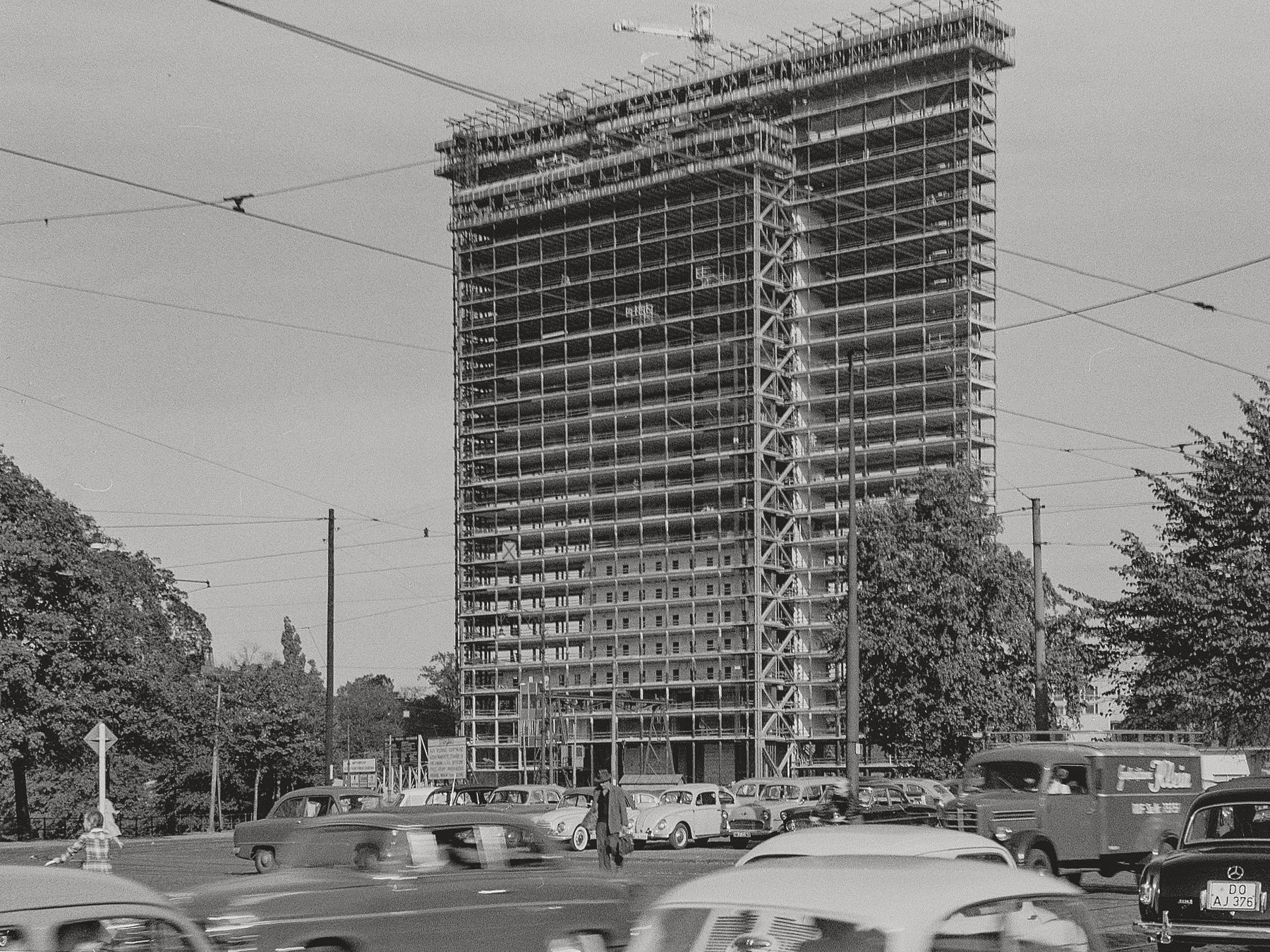
From the 1950s onwards, extensions were built at the rear of the site to meet the court’s increased space requirements. These conversions and extensions comprised several two- to five-storey buildings as well as a ten-storey office tower.
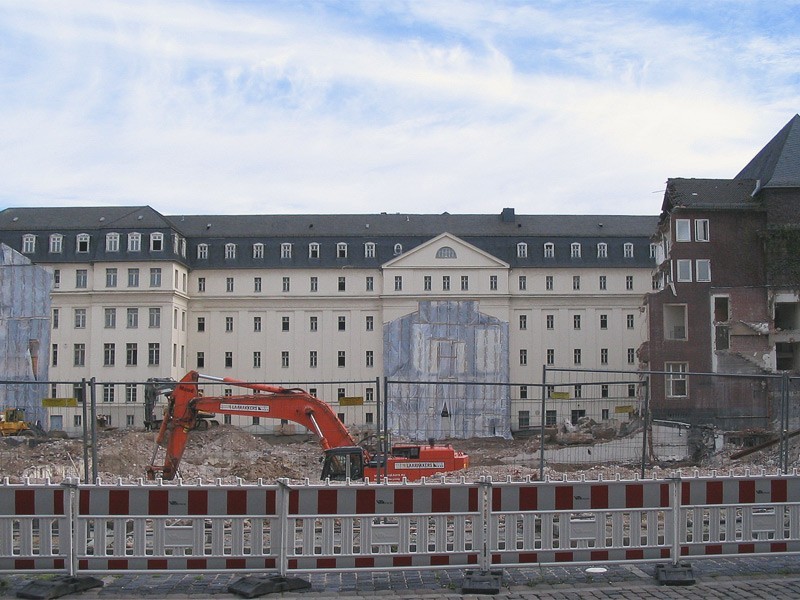
Despite these extensions, the building was abandoned in 2010 as it no longer met the requirements of modern court operations.
In 2007, the real estate investment company FRANKONIA Eurobau acquired the almost 18,000 square meter site of the former district court. The original plans envisaged the conversion of the old building into a hotel and the construction of apartments and office space.
After the withdrawal of the first investor, the focus was placed on residential use, which led to the creation of today’s Andreas Quartier.
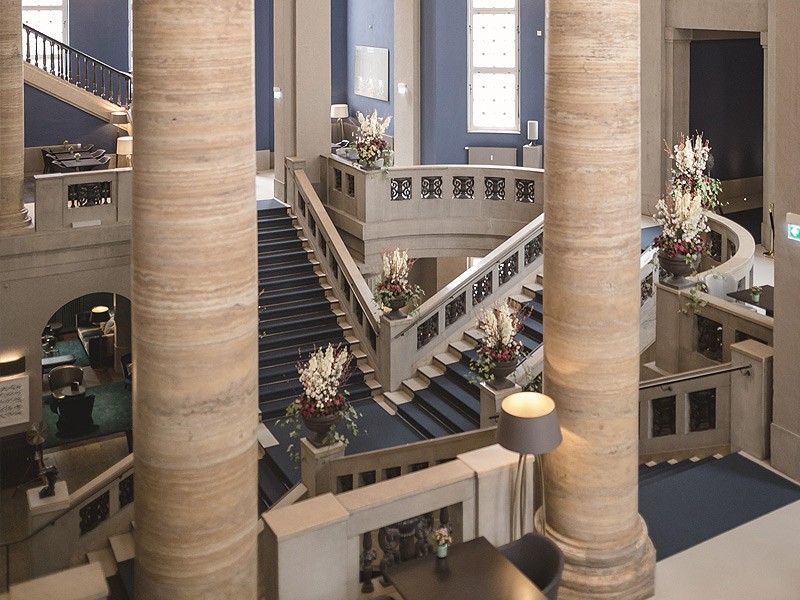
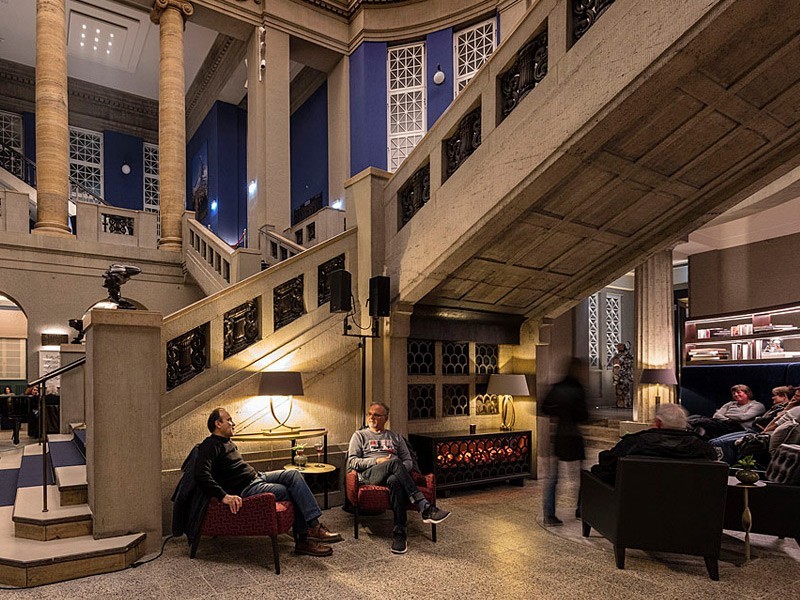
The conversion of the historic building into modern residential and commercial space presented the planners with numerous challenges. In particular, the preservation of the listed areas such as the entrance hall and corridors was controversial.
Despite the new owner’s concerns, these large circulation routes were largely retained, with some corridor areas on the upper floors being converted into bathrooms and kitchens.
After extensive construction work, which also included archaeological investigations, the Andreas Quartier was completed in fall 2015. Today, the quarter comprises around 400 residential units, a three-storey underground garage with 635 parking spaces and numerous restaurants and services.
The historical elements of the former district court have been cleverly integrated into the modern architecture, giving the district a unique charm.
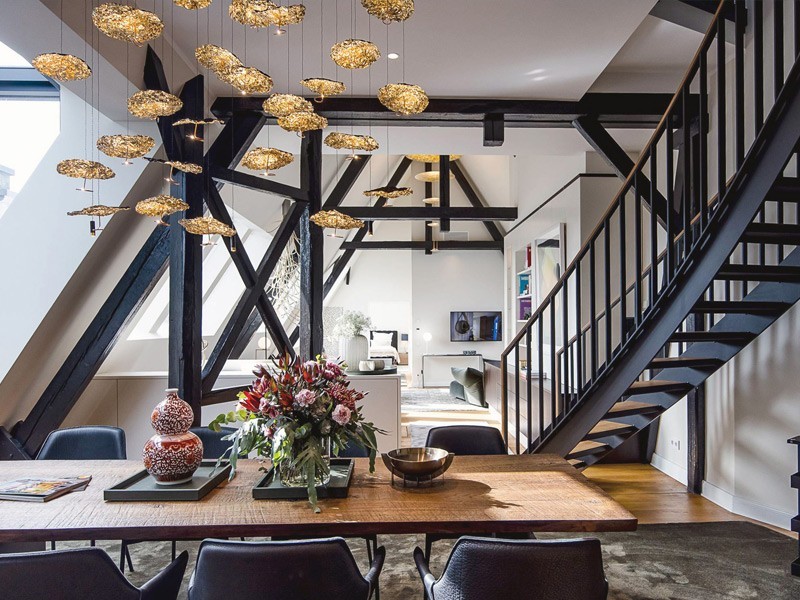
The apartments in the Andreas Quartier, including luxurious penthouses and spacious apartments, offer modern living comfort in a historic ambience.
The high-quality furnishings and well thought-out room layout create a special quality of living that both respects the history of the location and meets contemporary demands.
Today, the Andreas Quartier is a lively district that has a lot to offer both residents and visitors. With its restaurants, cafés and cultural facilities, it is a place to meet and enjoy.
Its central location in the middle of Düsseldorf also makes it an ideal starting point for exploring the city.
The Andreas Quartier is an example of a successful combination of monument protection and modern urban development. The careful integration of historic buildings into a contemporary utilization concept has created a new urban space that preserves Düsseldorf’s rich history while meeting the needs of today’s urban society.
To provide you with the best possible experience, we use technologies such as cookies to store and/or access device information. If you consent to these technologies, we may process data such as your browsing behavior or unique IDs on this website. If you do not consent or withdraw your consent, this may affect certain features and functions.