Location & surroundings

Things to see in Düsseldorf

Thanks to the privileged location of The Wellem in the heart of Düsseldorf, almost all sights can be reached on foot in a maximum of 15 minutes, if not literally on the doorstep. Whether architectural icons from all eras, museums and art collections, opera and theater, top international restaurants and bars, Ratinger Straße with its brewery pubs and bars, the Königsallee shopping mile or the Rhine promenade and Hofgarten – there is something for everyone here.

Düsseldorf

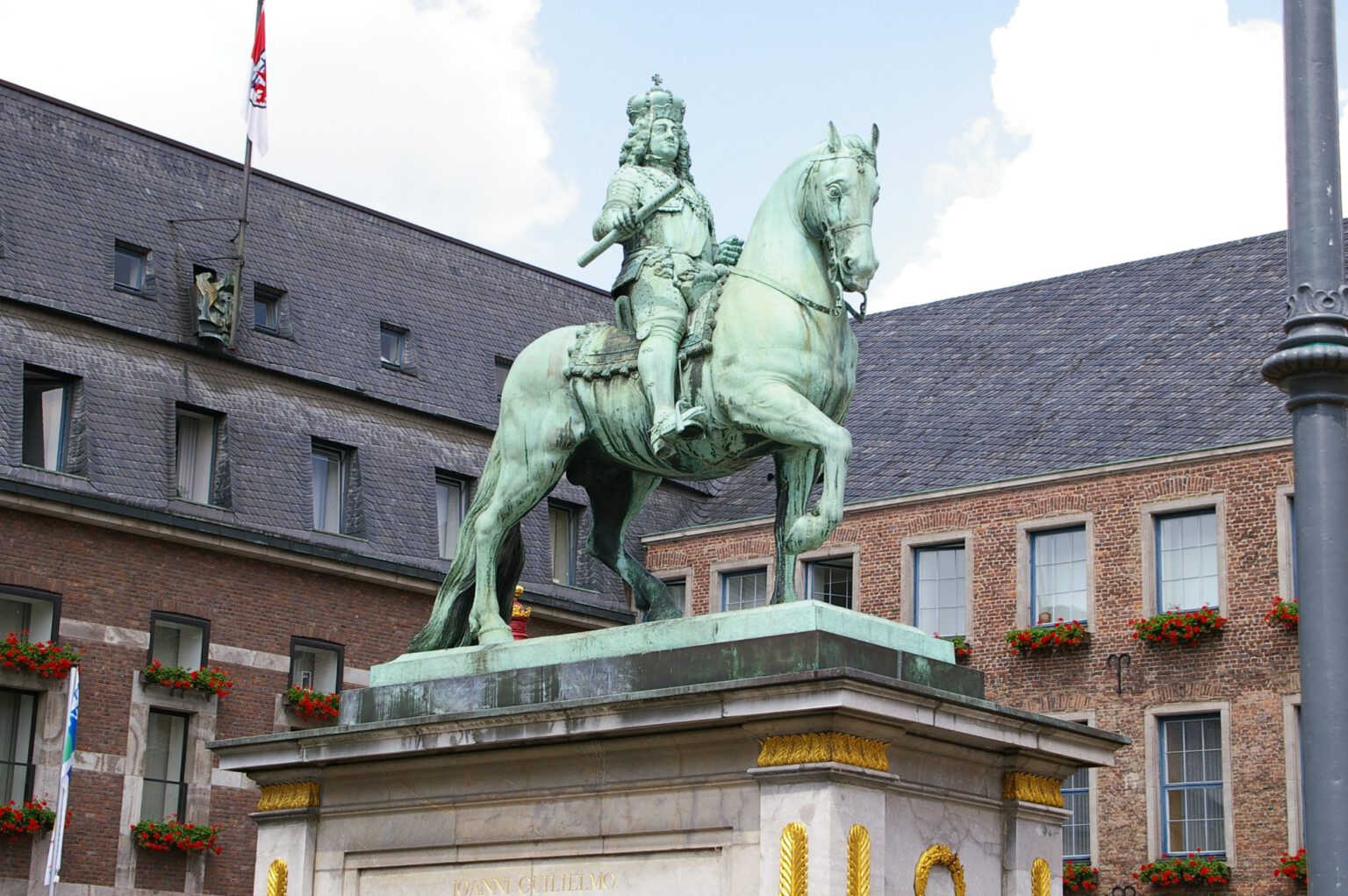
Equestrian monument to Jan Wellem on the market square in Düsseldorf's old town near The Wellem Hotel

Town hall with rider Jan Wellem

Düsseldorf’s town hall has dominated the market square in the old town for 450 years. A building that has been renovated and extended several times over the centuries. In front of the town hall, the equestrian monument to Elector Jan Wellem draws the eye. This impressive monument, which shows the Elector in all his glory, symbolically looks towards the Old Town and is considered one of Düsseldorf’s most important landmarks.

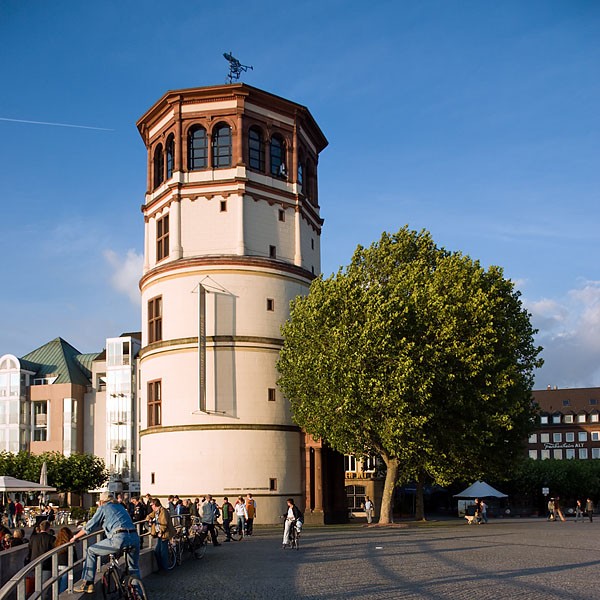
Castle tower on Burgplatz in Düsseldorf's old town in sunny weather with visitors on the banks of the Rhine near The Wellem Hotel

Castle Square

Burgplatz is located directly on the banks of the Rhine in the old town, named after its location in front of the former castle, which later became Düsseldorf Castle. The spacious square, which is also home to the castle tower, is now a popular meeting place and versatile venue for art and culture. The historic castle tower now houses the Maritime Museum, linking the town’s long history with life on the Rhine.

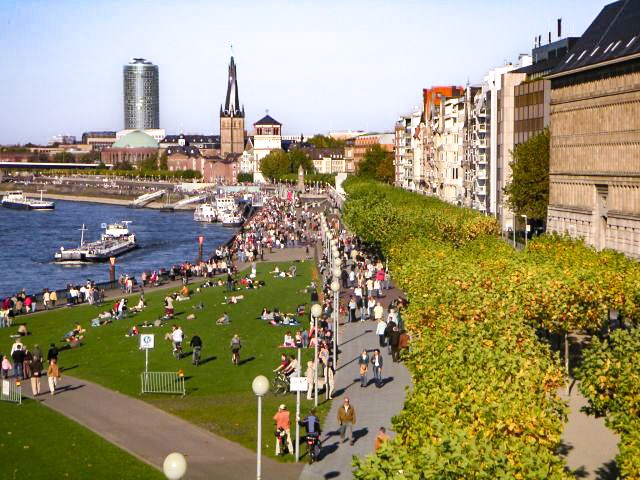
Rhine promenade with many walkers and a view of the old town near Hotel The Wellem in Düsseldorf

Rhine embankment promenade

The Rheinuferpromenade, which stretches along the Rhine from the Tonhallenufer, Schlossufer and Rathausufer to the Mannesmannufer, connects the city of Düsseldorf with the water. Originally laid out around 1900it consisted of two levels: the lower one was used for shipping traffic, the upper one as a promenade. The promenade was extensively redesigned in the 1990s and has since received several awards. Today it is one of the most popular promenades in Düsseldorf.

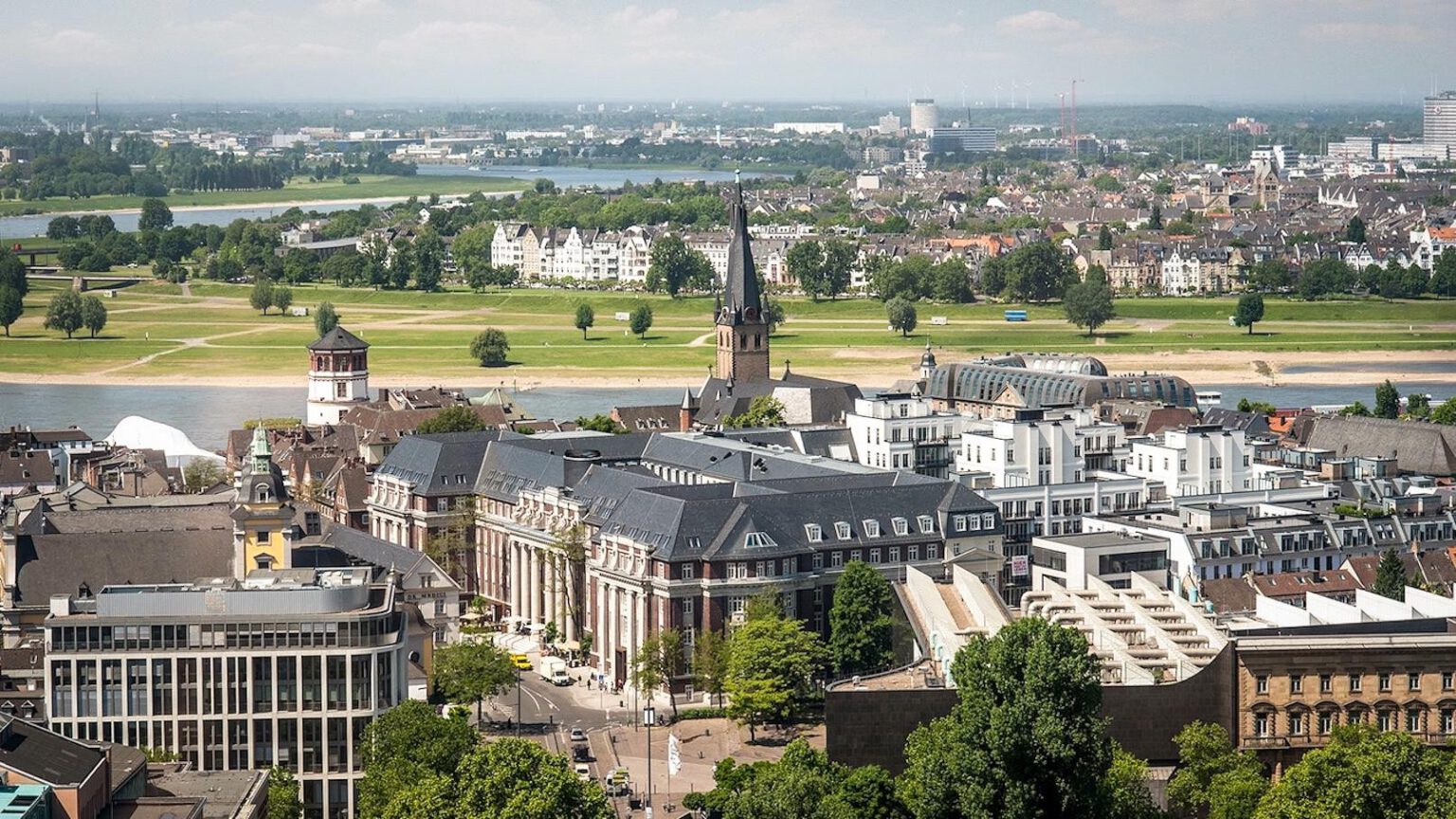
Aerial view of the Andreas Quartier on the Rhine in Düsseldorf, where Hotel The Wellem is located.

Old Town Düsseldorf

Düsseldorf’s Old Town, often referred to as the “longest bar in the world”, is the beating heart of the city. With its charming, cobbled streets, historic buildings and a multitude of breweries, restaurants and boutiques, it offers both locals and visitors a lively and cozy atmosphere. Tradition and modernity meet here, and sights such as the NRW art collection, the Rhine promenade and the famous Königsallee are just a short walk away.

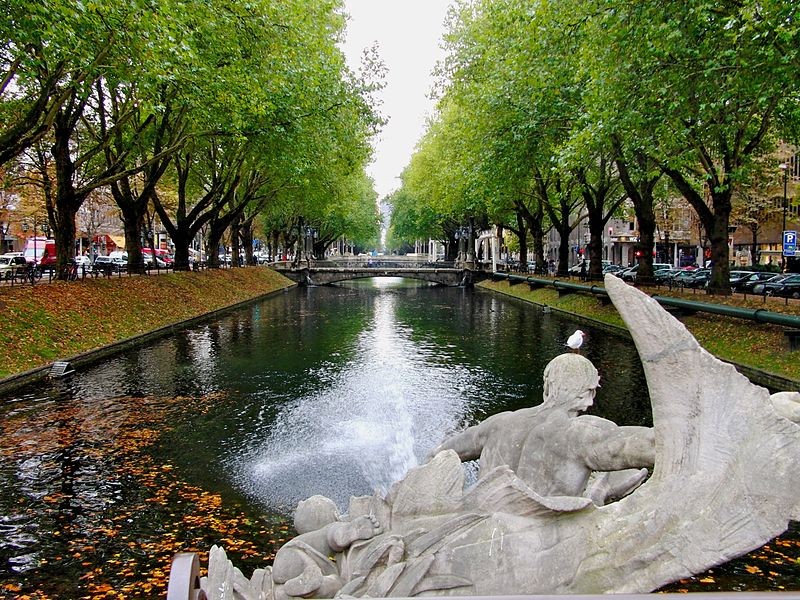
View over the Kö-Graben with tree-lined avenue and Tritonenbrunnen fountain not far from Hotel The Wellem Düsseldorf.

Königsallee

Königsallee, affectionately known as the “Kö”, is Düsseldorf’s most famous shopping street and a symbol of luxury and elegance. The magnificent boulevard, which stretches along a tree-lined canal, is lined with exclusive boutiques, designer stores and first-class restaurants. This is where traditional glamor meets modern architecture, making the “Kö” a magnet for fashionistas and strollers from all over the world. But Königsallee is not just a shopping mile, it is also a place to see and be seen – a center of social life in Düsseldorf.

Modern Art

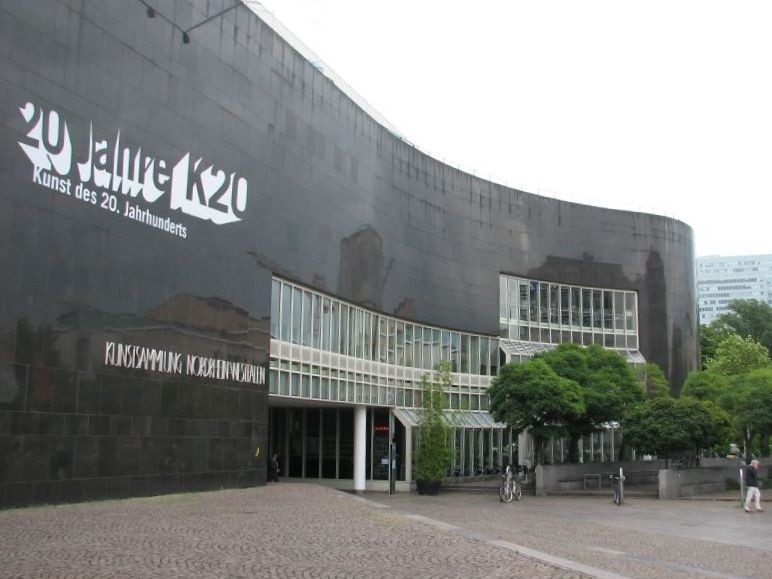
Exterior view of the K20 - Kunstsammlung Nordrhein-Westfalen in Düsseldorf opposite The Wellem Hotel

K20 + K21 NRW Art Collection

If you love art, you’re in a hotel The Wellem is just right for you. The K20, one of the most important museums of modern art, is located in the immediate vicinity.

Masterpieces of the 20th century can be admired here, including impressive works by Picasso, Klee, Jackson Pollock and Katharina Fritsch. With the Kunstsammlung NRW’s K21 a little further away, the K20 occupies an outstanding position in the international museum landscape.

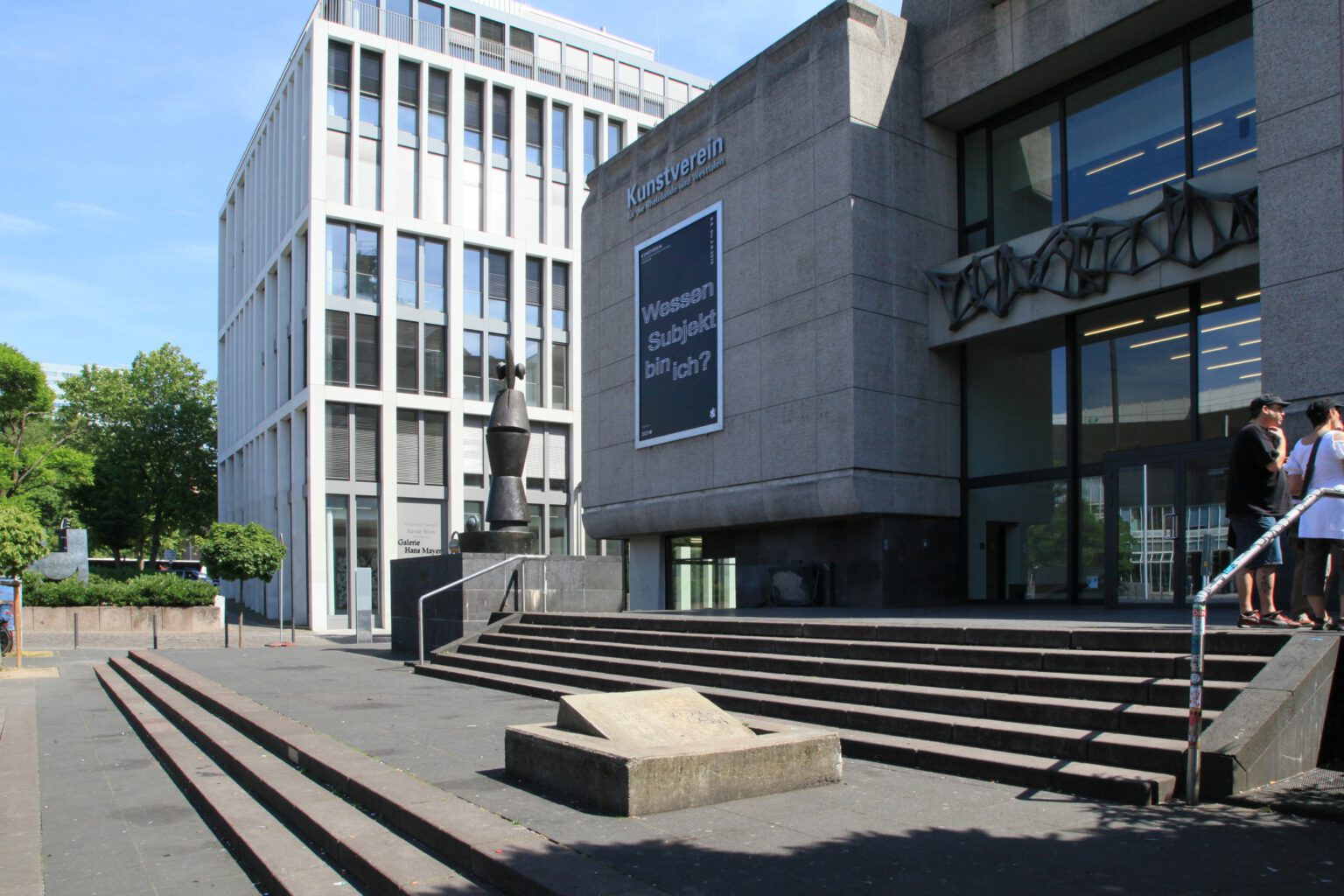
Kunstverein and Galerie Hans Mayer on the exterior façade with staircase near Hotel The Wellem in Düsseldorf

Kunsthalle Düsseldorf

Directly in front of the entrance to The Wellemopposite the K20, is the Kunsthalle Düsseldorf. It concentrates on changing exhibitions that focus in particular on young, contemporary artists.

Despite the focus on temporary presentations, there are some impressive works of art in the outdoor space that characterize the appearance of the building, such as the iconic stovepipe by Joseph Beuys.

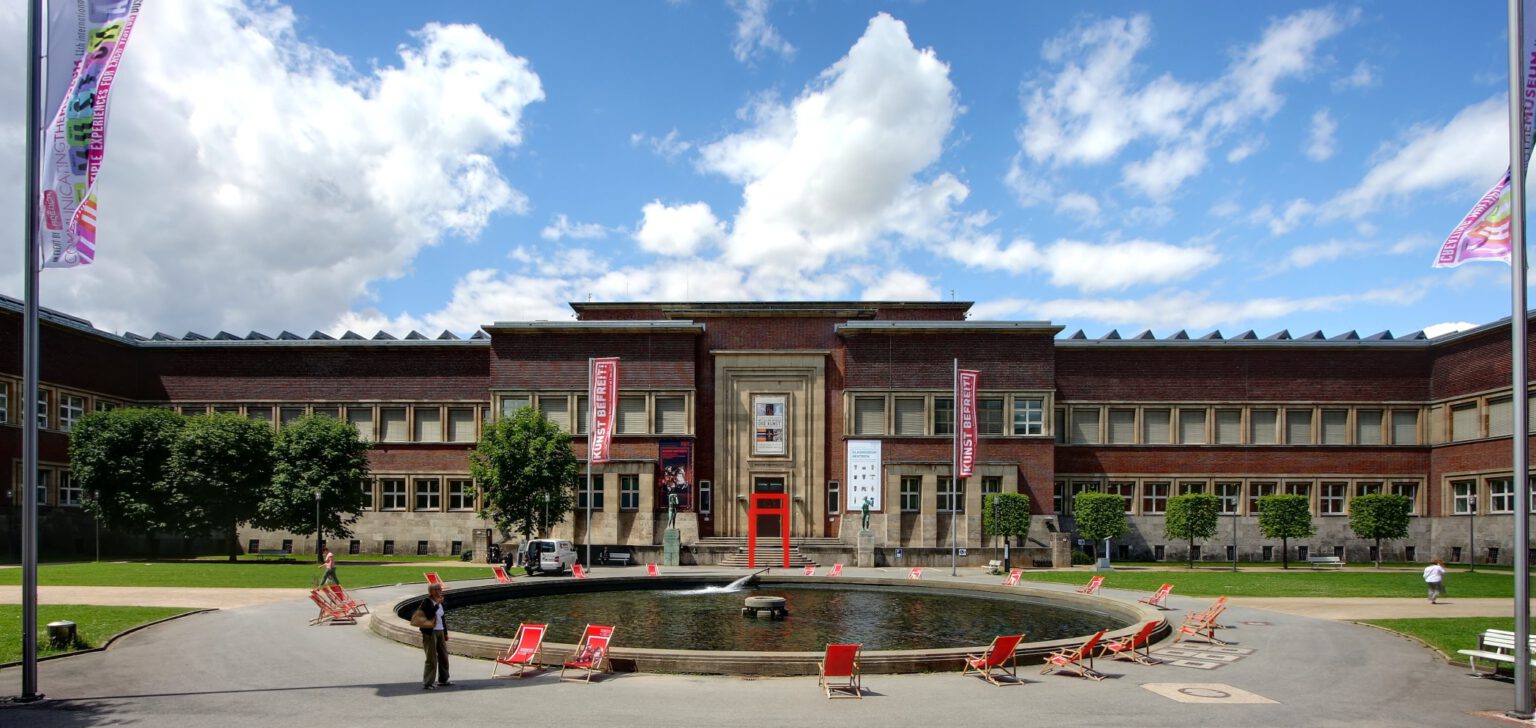
Exterior view of the Kunstpalast in Düsseldorf with fountain, deckchairs and spacious forecourt in sunny weather near The Wellem Hotel

Museum Kunstpalast

The Museum Kunstpalast is an essential part of Düsseldorf’s cultural life. With its numerous exhibitions and extensive collections, it offers a broad spectrum ranging from paintings by classical masters such as Jan Frans Druven to modernist works by Otto Dix.

Impressive glass techniques, graphic collections by Kunisada and Kuniyoshi as well as outstanding sculptures and applied art complete the diverse range of exhibits. In addition to visual art, the Museum Kunstpalast also offers an acoustic experience.

Architecture

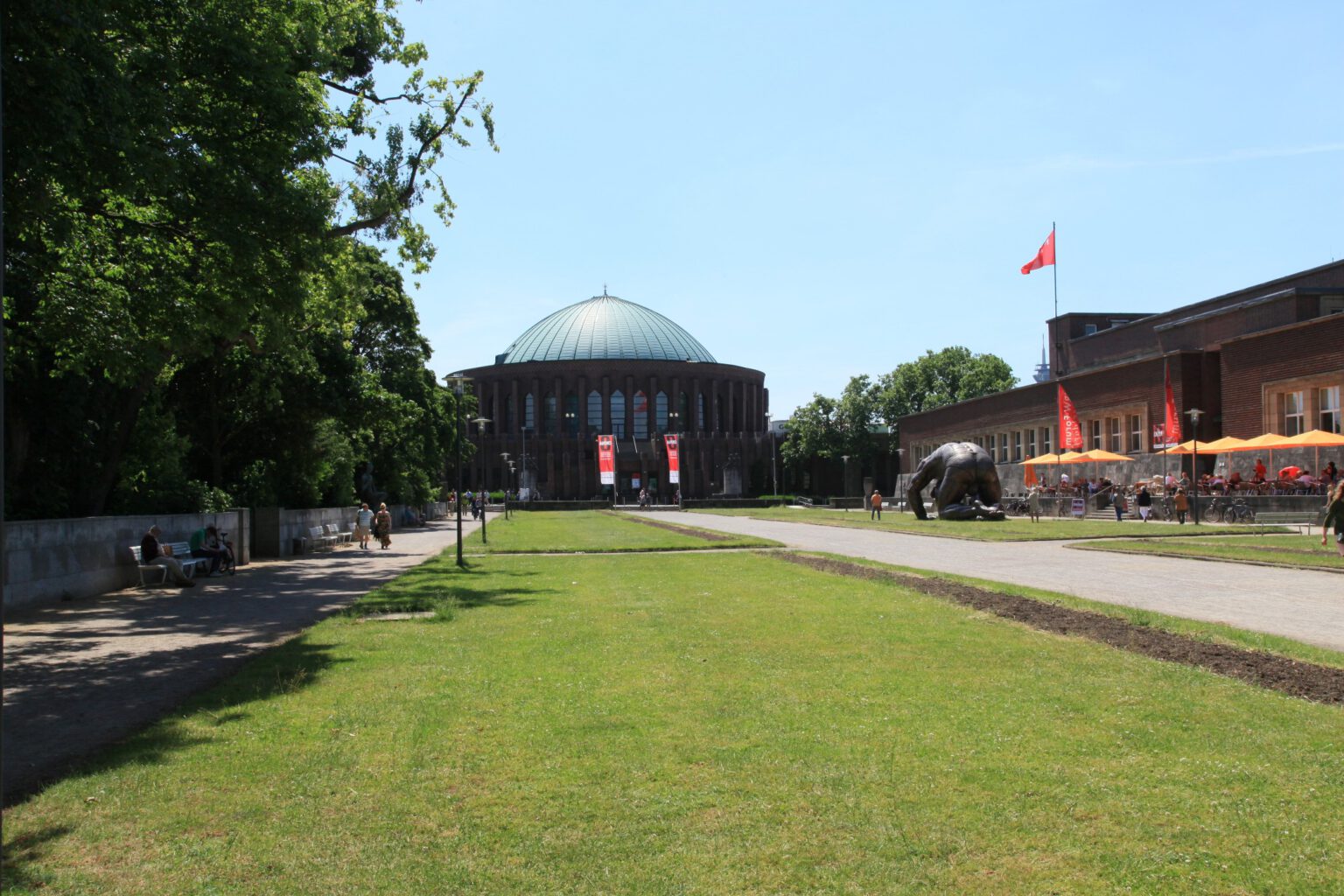
Tonhalle and Rheinpark with promenades and outdoor catering near The Wellem Hotel in Düsseldorf

Court of Honor and Tonhalle

The Ehrenhof, an impressive expressionist ensemble of buildings, was completed in 1926 according to the plans of the renowned architect Wilhelm Kreis. The exhibitions in the NRW-Forum and Museum Kunstpalast in particular make the Ehrenhof a cultural magnet.

The neighboring Tonhalle, also the work of Wilhelm Kreis, impresses with its neoclassical rotunda. As a concert hall, it provides a stage for international stars from a wide range of genres, from classical music and jazz to chanson, soul and cabaret.

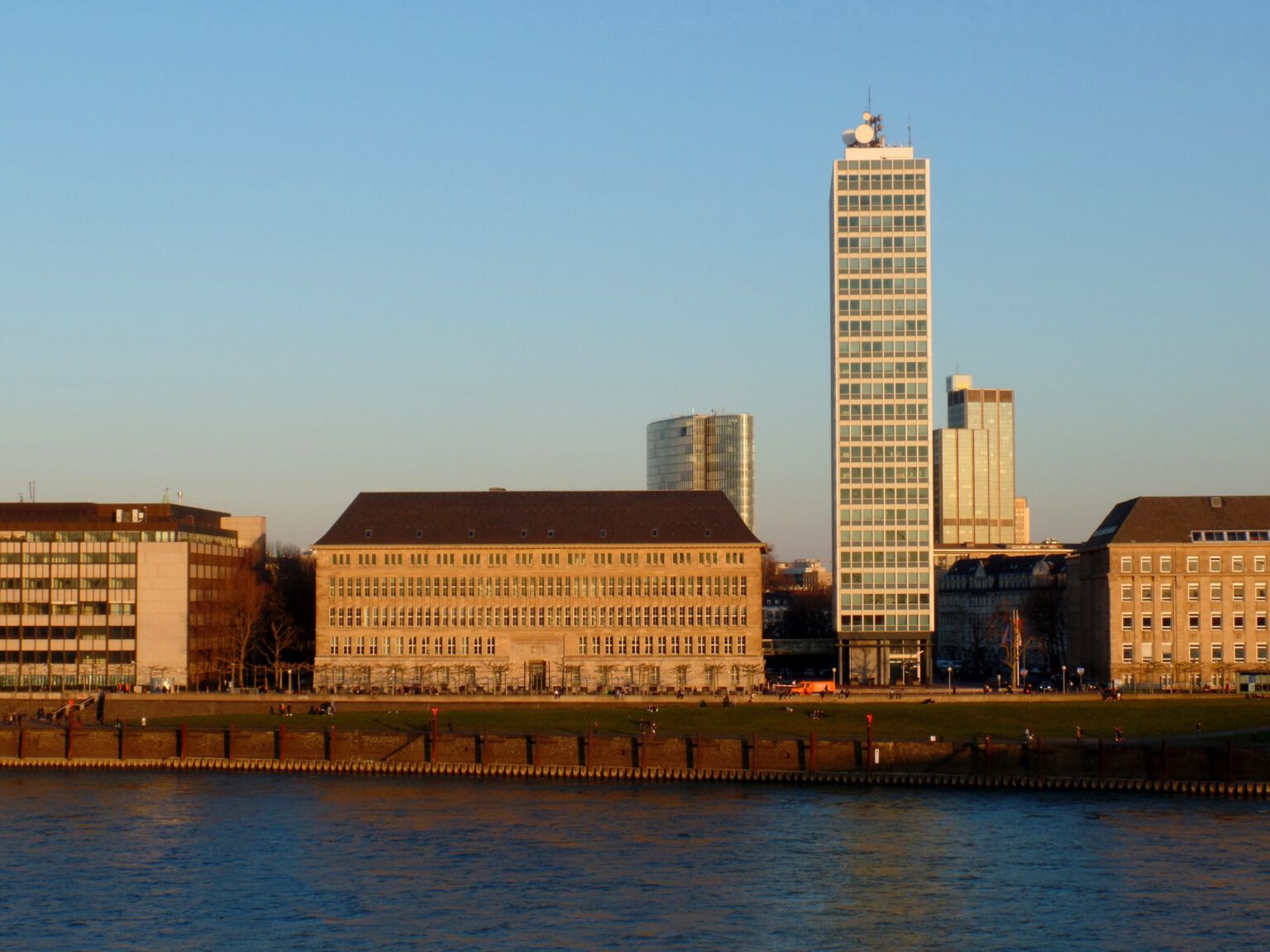
View of the Rhine promenade with the striking skyscraper of Düsseldorf City Hall in the warm evening light near Hotel The Wellem.

Mannesmann high-rise building / Behrensbau

The Behrensbau, named after its architect Peter Behrens, was built in 1910 as an administration building for Mannesmannröhren-Werke AG. Behrens’ design, influenced by reform architecture, is reminiscent of a city palace in its external form, but already showed stylistic echoes of New Objectivity.

In the mid-1950s, the Mannesmann Tower was built right next to it, a striking symbol of the post-war economic boom. As the first high-rise building in Germany to be built in skeleton construction, it embodies the modernity and progress of the 1950s and continues to set architectural accents in the city skyline to this day.

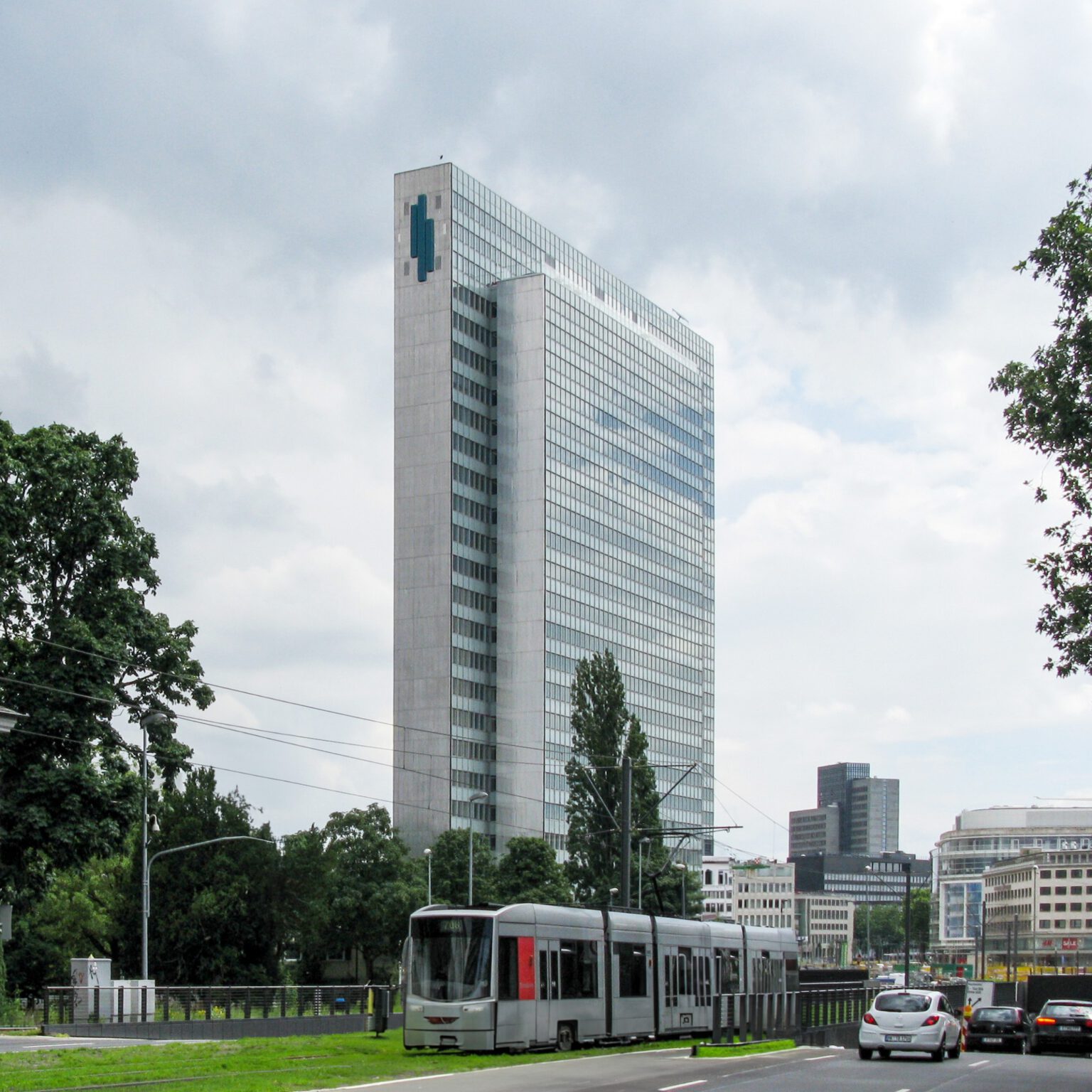
View of the Dreischeibenhaus skyscraper and the streetcar near Düsseldorf's old town at The Wellem Hotel.

Three-disc house

Built in 1960, the Dreischeibenhaus has dominated Düsseldorf’s skyline for decades and is considered one of the most important examples of post-war modernism. The 94-metre-high glass and steel building at Hofgarten, consisting of three staggered panes, is an architectural symbol of the economic miracle. Its clear design language and innovative façade design make the building a landmark of modern architecture in Germany to this day.

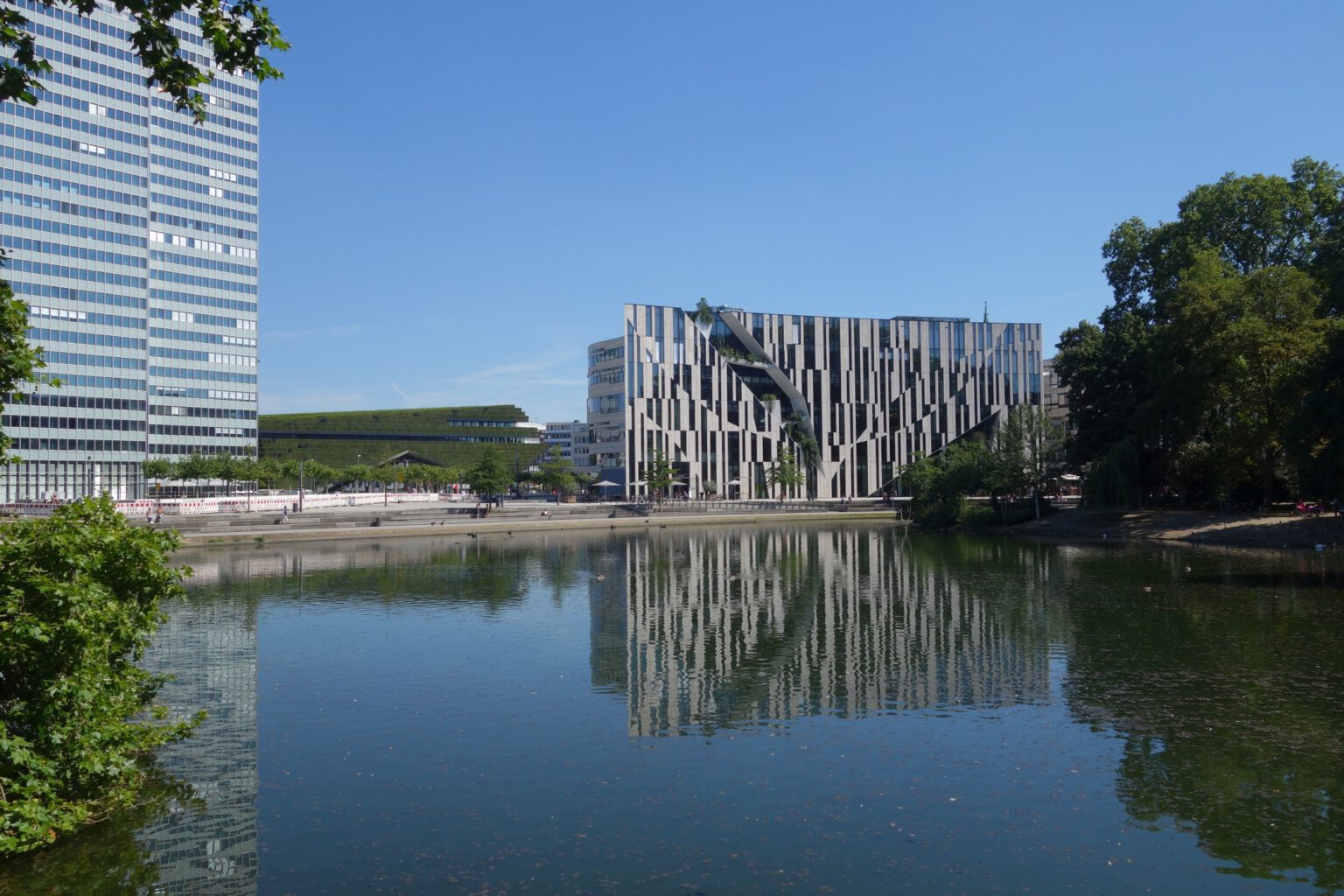
View of the Kö-Bogen and the water areas of the Hofgarten in Düsseldorf near The Wellem Hotel

Kö-Bogen 1 + 2

The Kö-Bogen, an architectural highlight of the city since 2013, combines the Dreischeibenhaus and Hofgarten into an urban ensemble. In Kö-Bogen 1, architect Daniel Libeskind combined a striking glass façade with white natural stone and hanging gardens. Exclusive flagship stores of top international brands, innovative store concepts and first-class gastronomic offerings can be found here.

Green oases

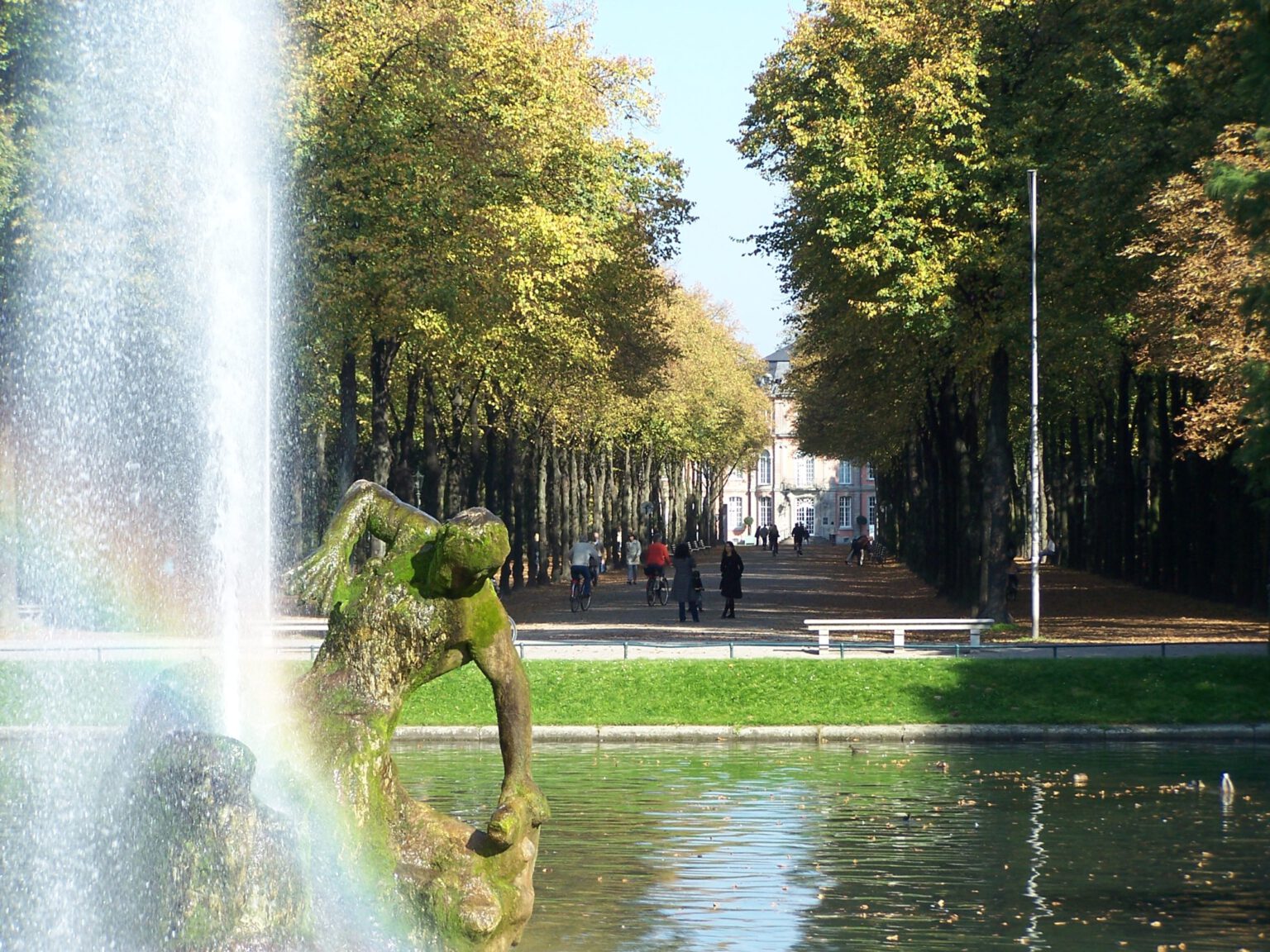
Fountain and historic avenue of trees in Düsseldorf's Hofgarten with a view towards Jägerhof near Hotel The Wellem

Courtyard garden

In the heart of the districts of Stadtmitte and Pempelfort lies the Hofgarten, an extensive park that has existed since 1769 and is considered to be Germany’s first public garden. Designed by Nicolas de Pigagethe green oasis was extensively renovated and modernized in 2002 as part of the “Decentralized State Garden Show” and EUROGA. With an area of around 27 hectares, the courtyard garden offers relaxation and a change from city life. Historical monuments and modern sculptures provide cultural highlights in the midst of nature. A popular destination for walks and relaxation in the countryside.

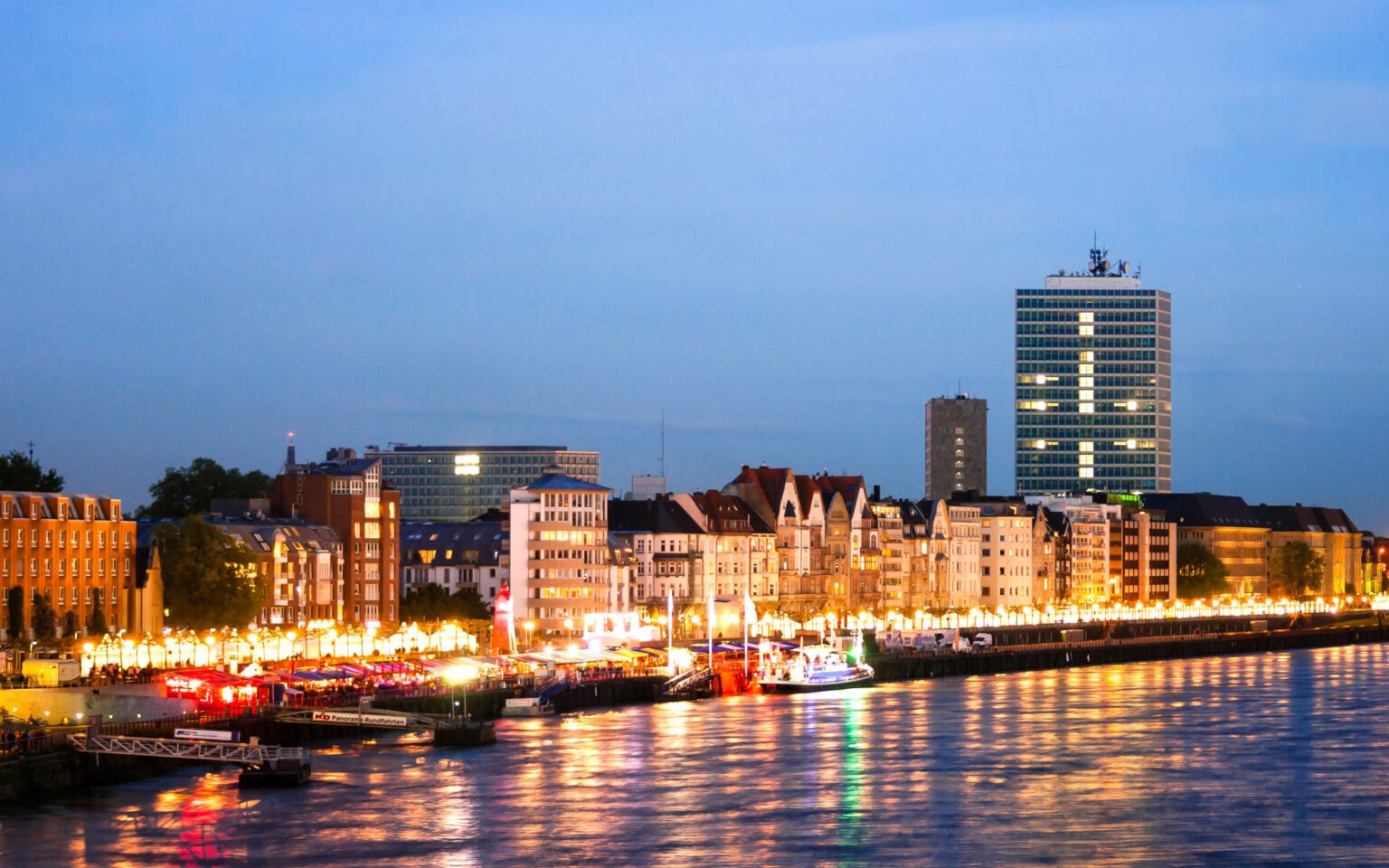
Illuminated Rhine promenade in Düsseldorf at dusk with historic facades, views of the Rhine and reflecting lights on the water at The Wellem Hotel

Casemates

The Düsseldorf Kasematten are located directly on the Rhine promenade, right next to the old town – a lively meeting place with gastronomic offerings for every taste. The extensive terrace landscape invites you to linger by the water, while sporting events on big screens provide additional entertainment. In the summer months in particular, the casemates become a popular hotspot for locals and visitors alike. From here you can enjoy a unique view of the Rhine and the passing ships.

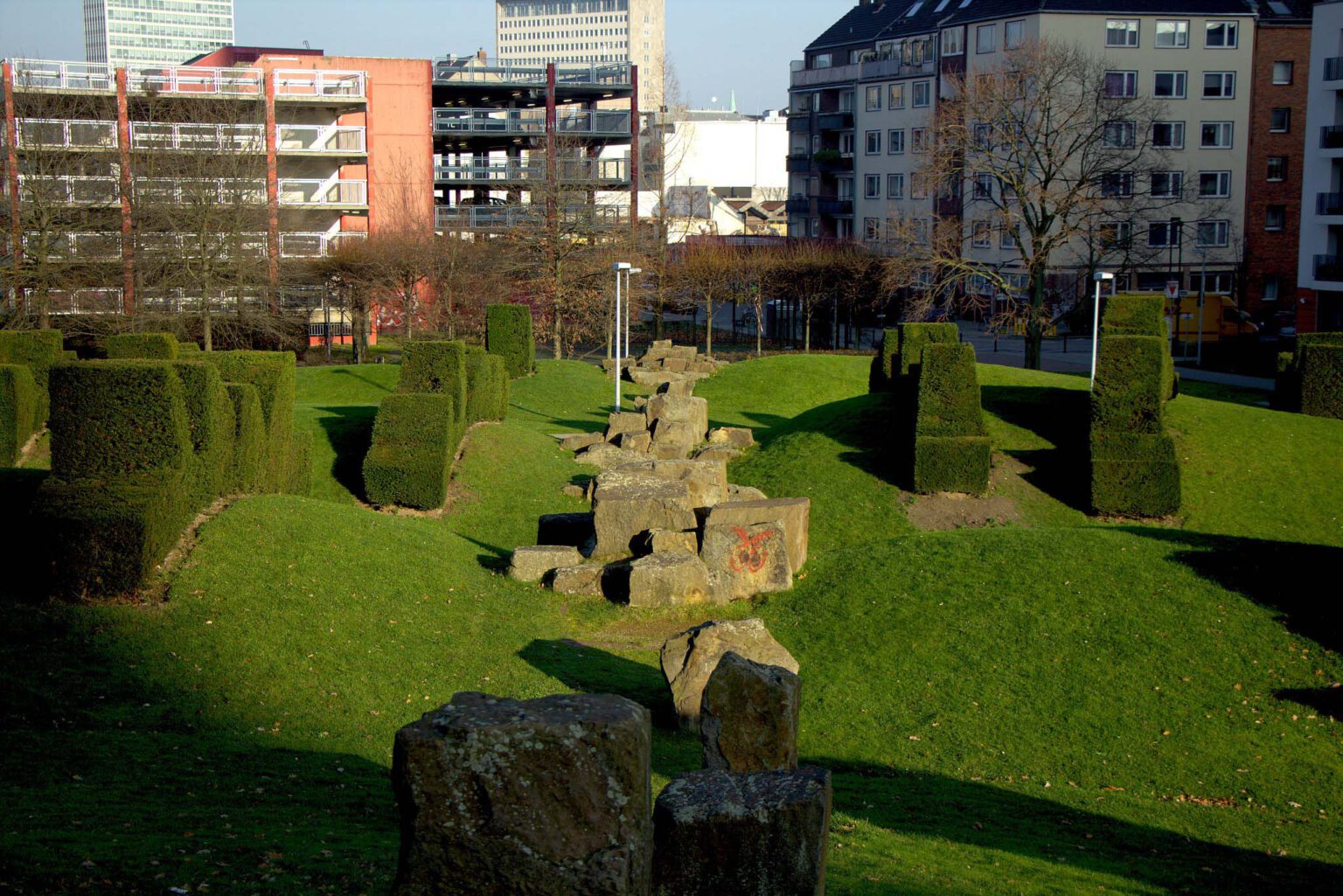
Stone installation in a park in Düsseldorf with geometrically cut hedges and surrounding urban architecture.

Rheinpark Bilk and Bürgerpark Bilk

Interplay of plants, meadows and architectural elements. The artistically designed landscape bridge, 50 meters wide, elegantly connects the park with the city gate and offers a flowing transition between nature and urban space.

For those seeking peace and seclusion, the adjacent Bürgerpark Bilk offers an idyllic alternative. With its gentle hills, shady hedges and inviting stone blocks that invite you to sit and relax, this park is an ideal retreat from the hustle and bustle of the Rhine.

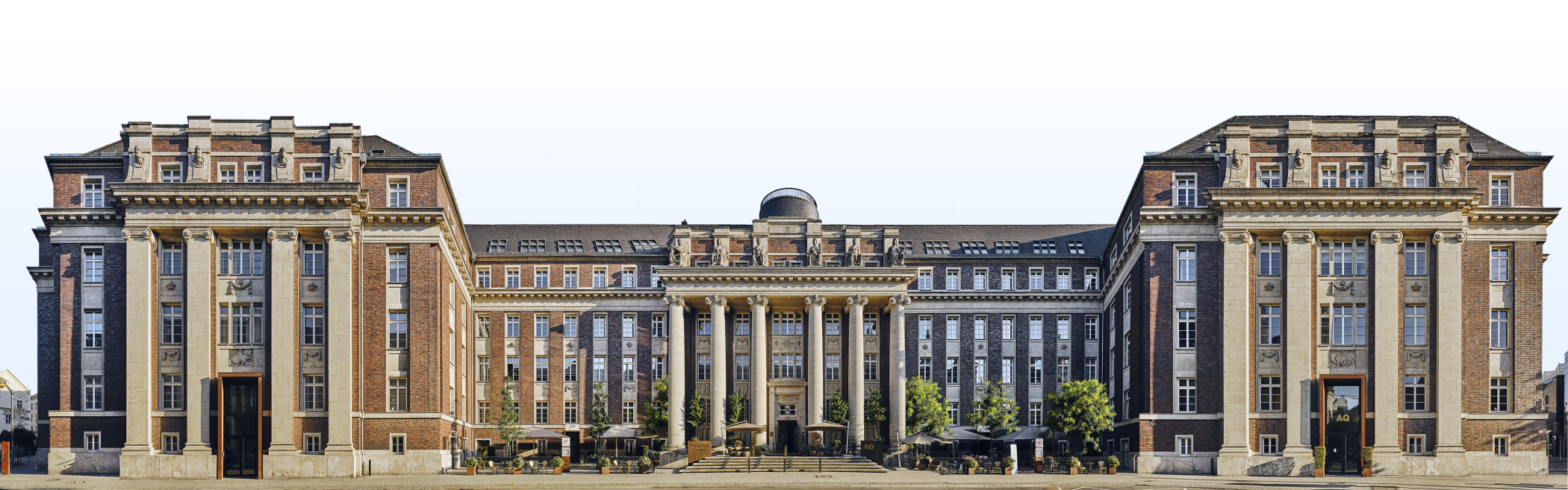
Panoramic photograph of the historic façade of the luxury hotel The Wellem in Düsseldorf with monumental columns, symmetrical architecture and classicist details in clear daylight.